
Understanding Underground Conduit Costs: A Practical Guide
Installing underground electrical conduit is a critical step in many construction projects. It ensures safe and reliable electrical wiring while protecting cables from damage. However, understanding the costs involved can be complex. I will break down the key factors that influence underground conduit costs and provide clear guidance on budgeting for your project.
Factors Influencing Underground Conduit Costs
Several elements affect the price of installing underground conduit. Knowing these helps in planning and avoiding unexpected expenses.
Material Type: Conduits come in various materials such as PVC, HDPE, and metal. PVC is common and cost-effective, while metal conduits offer more durability but at a higher price.
Conduit Size and Length: Larger diameters and longer runs increase material and labor costs.
Trenching and Excavation: The depth and soil type impact excavation difficulty. Rocky or compacted soil requires more effort and equipment.
Labor Costs: Skilled labor rates vary by region and project complexity.
Permits and Inspections: Local regulations may require permits and inspections, adding to the overall cost.
Additional Components: Bends, connectors, and pull boxes increase material and labor expenses.
Understanding these factors helps in estimating the total cost accurately.

Breakdown of Underground Conduit Costs
To provide a clearer picture, I will outline typical cost components involved in underground conduit installation.
Materials
PVC conduit: $0.50 to $2.00 per foot
HDPE conduit: $1.00 to $3.00 per foot
Metal conduit: $2.00 to $5.00 per foot
Labor
Trenching: $10 to $25 per foot depending on soil and depth
Conduit installation: $5 to $15 per foot
Additional Costs
Permits: $100 to $500 depending on jurisdiction
Inspection fees: $50 to $200
Accessories (bends, connectors): $1 to $5 each
For example, a 100-foot run of PVC conduit in soft soil with minimal bends might cost around $2,000 to $3,000 total.
How much to install 100 ft of conduit?
Calculating the cost for 100 feet of conduit installation requires considering all the factors mentioned above. Here is a sample estimate for a typical project:
Material: 100 ft of PVC conduit at $1.50/ft = $150
Trenching: 100 ft at $15/ft = $1,500
Labor for conduit installation: 100 ft at $10/ft = $1,000
Accessories: 4 bends at $3 each = $12
Permits and inspections: $300
Total estimated cost: $2,962
This estimate can vary based on soil conditions, conduit type, and local labor rates. Always request detailed quotes from contractors to get precise figures.
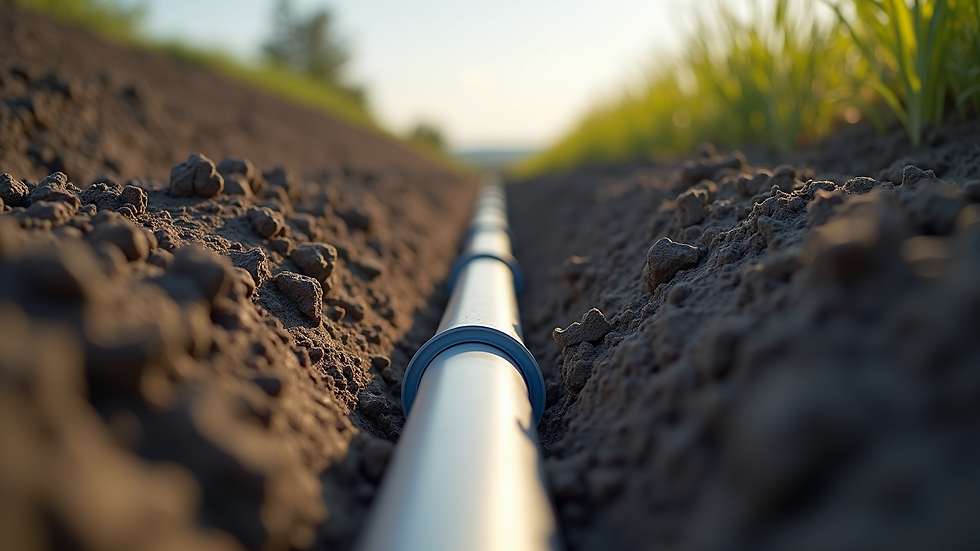
Tips to Manage Underground Electrical Conduit Installation Cost
Managing costs effectively requires planning and informed decisions. Here are some practical tips:
Choose the Right Material: PVC is usually sufficient for residential and light commercial projects. Avoid over-specifying materials unless required by code.
Plan the Route Carefully: Minimize conduit length and avoid unnecessary bends to reduce material and labor costs.
Consider Soil Conditions: Conduct a soil test to anticipate excavation challenges. Soft soil reduces trenching costs.
Bundle Conduits: Running multiple conduits together can save on trenching and labor.
Obtain Multiple Quotes: Compare bids from several contractors to ensure competitive pricing.
Check Local Regulations: Understand permit requirements early to avoid delays and extra fees.
By applying these strategies, you can control expenses without compromising quality.
Final Thoughts on Underground Conduit Costs
Estimating underground conduit costs requires attention to detail and understanding of project specifics. The total expense depends on materials, labor, site conditions, and regulatory requirements. I recommend working with experienced professionals who provide transparent pricing and quality workmanship.
For those seeking detailed information on underground electrical conduit installation cost, consulting a trusted local contractor is essential. This ensures compliance with California regulations and project success.
Investing in proper underground conduit installation protects your electrical system and adds value to your property. Careful budgeting and planning help avoid costly surprises and keep your project on track.


Comments