
Navigating Multi-Family Construction Projects in California with Multi-Family Project Contractors
Managing multi-family construction projects in California requires a clear understanding of the local regulations, construction standards, and project management techniques. I focus on delivering practical advice to help property developers, general contractors, and homeowners navigate these complex projects efficiently. This post covers key aspects of multi-family construction, from planning to execution, with a focus on working effectively with multi-family project contractors.
Understanding the Role of Multi-Family Project Contractors
Multi-family project contractors specialize in building residential complexes that house multiple families. Their expertise covers everything from site preparation to final finishes. Choosing the right contractor is critical to the success of any multi-family project.
Key responsibilities of multi-family project contractors include:
Coordinating with architects, engineers, and local authorities
Managing subcontractors and labor forces
Ensuring compliance with California building codes and safety regulations
Overseeing scheduling and budget adherence
Handling procurement of materials and equipment
Selecting a contractor with proven experience in multi-family projects reduces risks and improves project outcomes. I recommend reviewing past projects and client references before making a decision.

Essential Considerations When Hiring Multi-Family Project Contractors
When hiring multi-family project contractors, I focus on several critical factors to ensure the project runs smoothly:
Licensing and Insurance
Verify that the contractor holds a valid California contractor’s license and carries adequate insurance coverage. This protects you from liability and ensures compliance with state laws.
Experience with Local Regulations
California has strict zoning laws, environmental regulations, and energy efficiency standards. Contractors familiar with these requirements can avoid costly delays.
Project Management Skills
Effective scheduling, communication, and problem-solving skills are essential. Ask about the contractor’s approach to managing timelines and handling unexpected issues.
Quality Control Processes
Ensure the contractor has a system for monitoring construction quality at every stage. This includes inspections, testing, and documentation.
Transparent Pricing and Contracts
Clear, detailed contracts with defined scopes of work and payment schedules help prevent disputes.
I also recommend considering contractors who have experience with underground utility installation and site development, as these are often critical components of multi-family projects. For example, mkalgc laguna beach is known for its expertise in these areas, which can be a valuable asset.
Planning and Permitting for Multi-Family Construction in California
Planning is the foundation of any successful multi-family construction project. It involves site analysis, design coordination, and securing permits.
Site Analysis
Evaluate the site’s topography, soil conditions, and existing infrastructure. This helps identify potential challenges early.
Design Coordination
Work closely with architects and engineers to ensure the design meets both your goals and regulatory requirements.
Permitting Process
California requires multiple permits, including building permits, environmental clearances, and utility connections. The process can be lengthy, so start early.
Environmental Compliance
Projects must comply with California Environmental Quality Act (CEQA) standards. This may require environmental impact reports and mitigation plans.
Proper planning reduces the risk of costly changes during construction. I advise maintaining open communication with local planning departments and contractors to stay on track.
Managing Construction Phases with Multi-Family Project Contractors
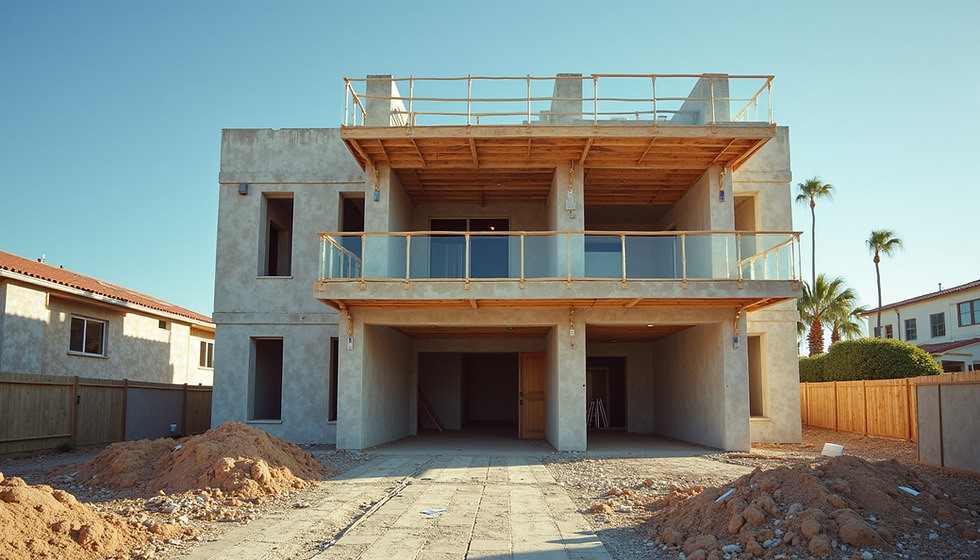
Construction of multi-family buildings typically follows these phases:
Site Preparation
Clearing, grading, and excavation work prepare the site for foundation installation.
Foundation and Underground Utilities
Installing foundations and underground utilities is critical. Contractors with expertise in these areas ensure proper installation and compliance.
Structural Framing
Building the frame of the structure, including walls, floors, and roofs.
Mechanical, Electrical, and Plumbing (MEP)
Installing essential systems such as HVAC, electrical wiring, and plumbing.
Interior and Exterior Finishes
Completing walls, flooring, painting, and exterior cladding.
Final Inspections and Occupancy
Passing all inspections and obtaining certificates of occupancy.
Throughout these phases, I emphasize the importance of regular site meetings, progress tracking, and quality inspections. This keeps the project aligned with the schedule and budget.
Best Practices for Cost Control and Risk Management
Cost overruns and delays are common challenges in multi-family construction. I recommend these best practices to manage costs and risks effectively:
Detailed Budgeting
Develop a comprehensive budget that includes contingencies for unexpected expenses.
Regular Financial Reviews
Monitor expenses against the budget frequently to identify variances early.
Change Order Management
Implement a formal process for approving and documenting changes to the scope of work.
Risk Assessment
Identify potential risks such as weather delays, labor shortages, or supply chain disruptions. Develop mitigation plans.
Contractor Performance Monitoring
Track contractor performance using key performance indicators (KPIs) like schedule adherence and quality metrics.
By applying these practices, I help ensure projects stay within budget and meet deadlines.
Leveraging Technology in Multi-Family Construction Projects
Technology plays a growing role in improving efficiency and communication in construction projects. I encourage the use of:
Building Information Modeling (BIM)
BIM allows for detailed 3D modeling and clash detection before construction begins.
Project Management Software
Tools like Procore or Buildertrend facilitate scheduling, document sharing, and communication.
Drones and Site Cameras
These provide real-time site monitoring and progress documentation.
Mobile Apps
Enable field teams to report issues and update status instantly.
Integrating technology helps reduce errors, improve collaboration, and accelerate decision-making.
Final Thoughts on Multi-Family Construction Success
Successfully navigating multi-family construction projects in California requires a clear strategy, experienced contractors, and diligent management. I focus on:
Selecting qualified multi-family project contractors
Planning thoroughly and securing permits early
Managing construction phases with attention to detail
Controlling costs and mitigating risks
Leveraging technology for better outcomes
By following these guidelines, you can deliver high-quality multi-family housing that meets regulatory standards and market demands. For specialized underground utility and site development services, consider partnering with trusted experts like mkalgc laguna beach to enhance your project’s foundation and infrastructure.
This approach ensures projects are completed on time, within budget, and to the highest standards of quality.


Comments