
Building Your Dream Home: The Art of Residential Construction and Renovation
Creating a home that reflects your vision and lifestyle requires more than just bricks and mortar. Residential construction and renovation bring your dream home to life with precision and quality craftsmanship. Whether you are planning a custom home from the ground up or transforming an existing space through renovation, understanding the process can help you make informed decisions and achieve the best results.
Understanding Residential Construction
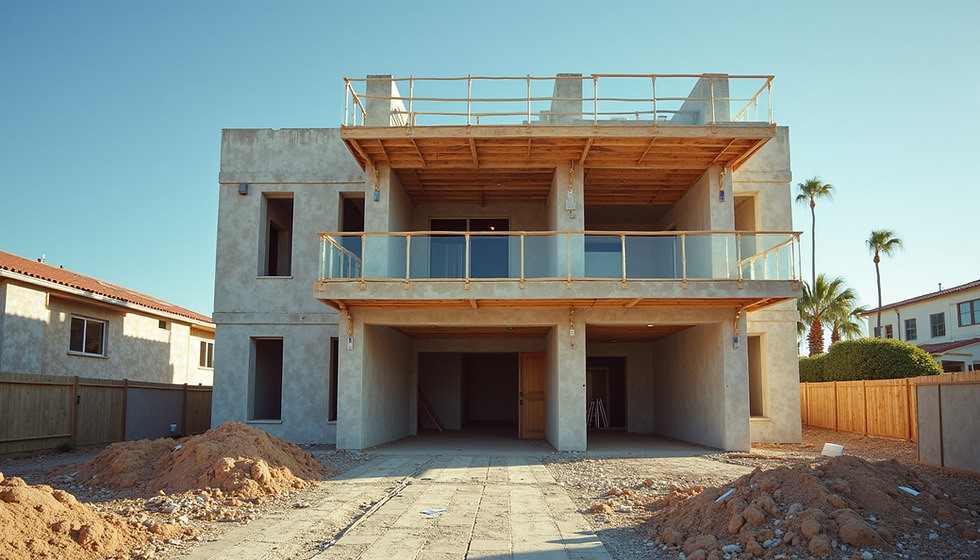
Residential construction involves building homes designed for people to live in, ranging from single-family houses to multi-unit dwellings. This process starts with a clear plan and vision, followed by site preparation, foundation work, framing, and finishing touches.
Key Phases of Building a Custom Home
Planning and Design
Collaborate with architects and designers to create blueprints that match your lifestyle and preferences. This phase includes selecting materials, layouts, and features that make your

home unique.
Permits and Approvals
Securing the necessary permits ensures your project complies with local building codes and regulations. This step protects your investment and guarantees safety standards.
Construction
Skilled builders and craftsmen bring the design to life. From laying the foundation to installing roofing and interiors, attention to detail is crucial.
Inspection and Final Touches
Inspections at various stages confirm quality and adherence to plans. Final touches like painting, landscaping, and interior design complete the home.
The Value of Quality Craftsmanship
Quality craftsmanship means using skilled labor and high-grade materials to ensure durability, safety, and aesthetic appeal. It affects everything from structural integrity to the finishing details that make a house feel like home.
Durability
Proper construction techniques prevent future issues such as water damage, foundation cracks, or poor insulation.
Energy Efficiency
Well-built homes use materials and designs that reduce energy consumption, saving money and supporting sustainability.
Aesthetic Appeal
Fine craftsmanship enhances the beauty of your home, increasing its value and your enjoyment.

Renovations breathe new life into older homes or adapt spaces to changing needs. Whether updating a kitchen, adding a room, or restoring historical features, renovation requires careful planning and execution.
Common Renovation Projects
Kitchen and Bathroom Updates
Modern fixtures, improved layouts, and better lighting can make these spaces more functional and attractive.
Room Additions
Adding bedrooms, home offices, or living areas increases space and comfort.
Energy Upgrades
Installing new windows, insulation, or HVAC systems improves efficiency and comfort.
Restoration and Preservation
Maintaining original architectural details while upgrading systems preserves character and charm.
Tips for a Successful Construction or Renovation Project
Set a Realistic Budget
Include costs for materials, labor, permits, and unexpected expenses.
Choose Experienced Professionals
Work with builders and contractors who have proven expertise in residential construction and renovation.
Communicate Clearly
Keep open lines of communication with your team to address concerns and changes promptly.
Plan for Timeline Flexibility
Construction projects often face delays; build some buffer time into your schedule.
Focus on Quality Over Speed
Rushing can lead to mistakes and lower quality. Prioritize doing the job right.


Comments